
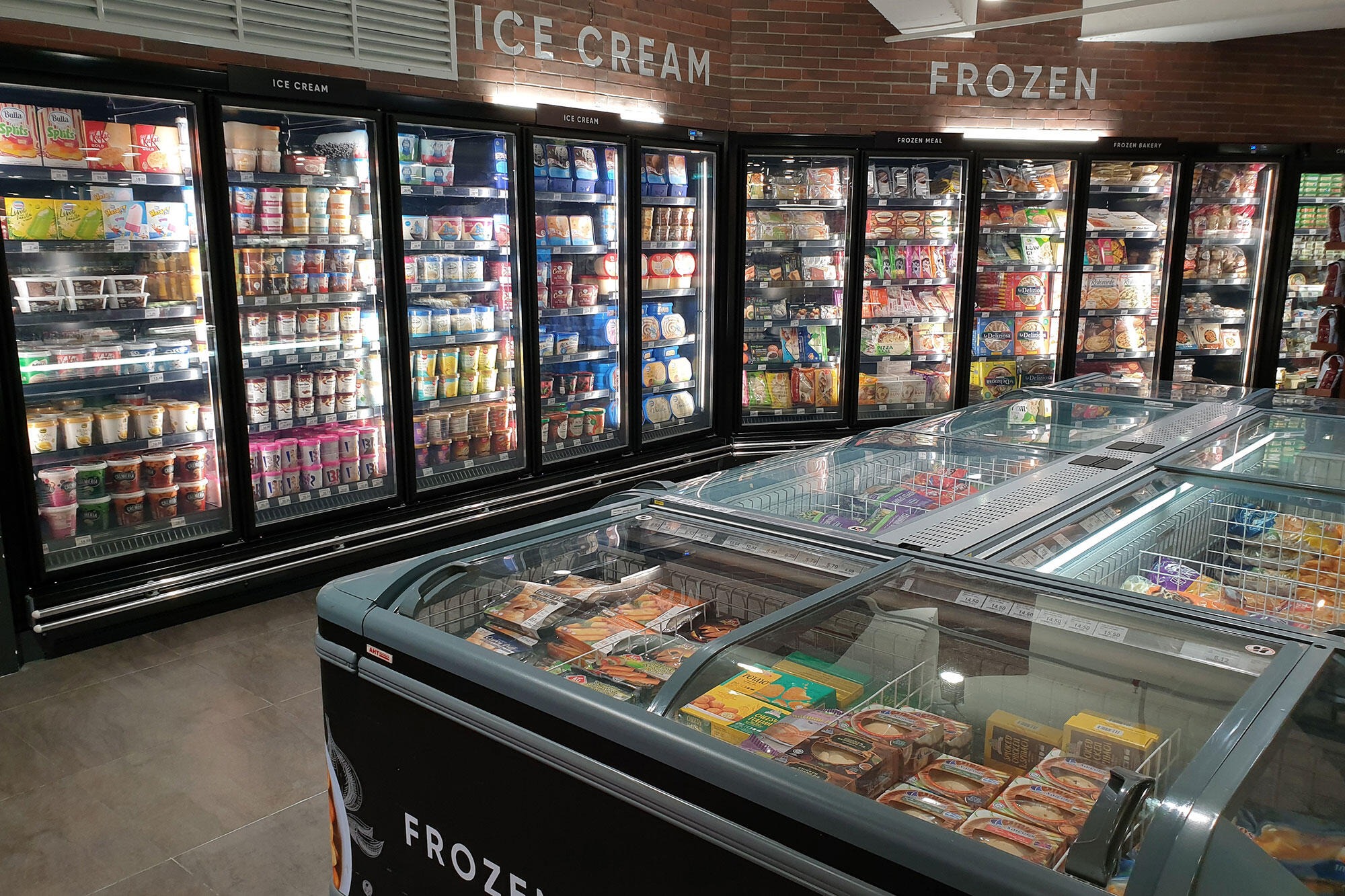
Commercial refrigeration units are essential for maintaining the quality and safety of perishable goods in various industries, including food service, retail, and healthcare. Ensuring these units operate efficiently over time requires regular maintenance practices that help prevent unexpected breakdowns and extend their lifespan. One of the most important aspects of maintaining commercial refrigerators is keeping them clean. Dust and debris can accumulate on condenser coils, reducing their ability to dissipate heat effectively. Cleaning these coils regularly with a brush or vacuum helps maintain optimal cooling performance and reduces energy consumption.
Another critical maintenance tip involves checking door seals frequently. Worn or damaged gaskets allow cold air to escape, forcing the unit to work harder to maintain the desired temperature. Inspecting seals for cracks or gaps and replacing them when necessary ensures airtight closure, which helps preserve internal temperatures while improving energy efficiency. Proper temperature monitoring is also vital; setting thermostats according to manufacturer recommendations prevents overcooling or undercooling that could compromise stored products’ integrity.
Regular defrosting is necessary for models without automatic defrost features since frost buildup can obstruct airflow inside the unit. Excessive frost not only decreases cooling efficiency but also strains compressor components by increasing workload. Scheduling manual defrost cycles based on usage patterns helps keep evaporator coils free from ice accumulation.
Maintaining adequate airflow around Commercial Refrigeration units contributes significantly to their longevity as well. Obstructions such as boxes or other equipment placed too close restrict ventilation needed for heat exchange processes within compressors and condensers. Providing sufficient clearance around units promotes efficient operation by allowing heat generated during cooling cycles to dissipate properly.
Routine inspections conducted by trained technicians can identify potential issues before they escalate into costly repairs or replacements. These professionals check refrigerant levels, electrical connections, fan motors, and other mechanical parts integral to system functionality. Promptly addressing any abnormalities detected during inspections minimizes downtime while ensuring consistent performance.
In addition to technical upkeep, user habits influence commercial refrigerator durability profoundly. Avoid frequent door openings since this introduces warm air that forces compressors into overdrive mode repeatedly throughout the day. Organizing contents efficiently reduces search times inside the unit and limits exposure of cold air escaping each time doors open.