Category: Travel

  • The Geography of Fuerteventura and How It Shapes Travel Routes

    The Geography of Fuerteventura and How It Shapes Travel Routes

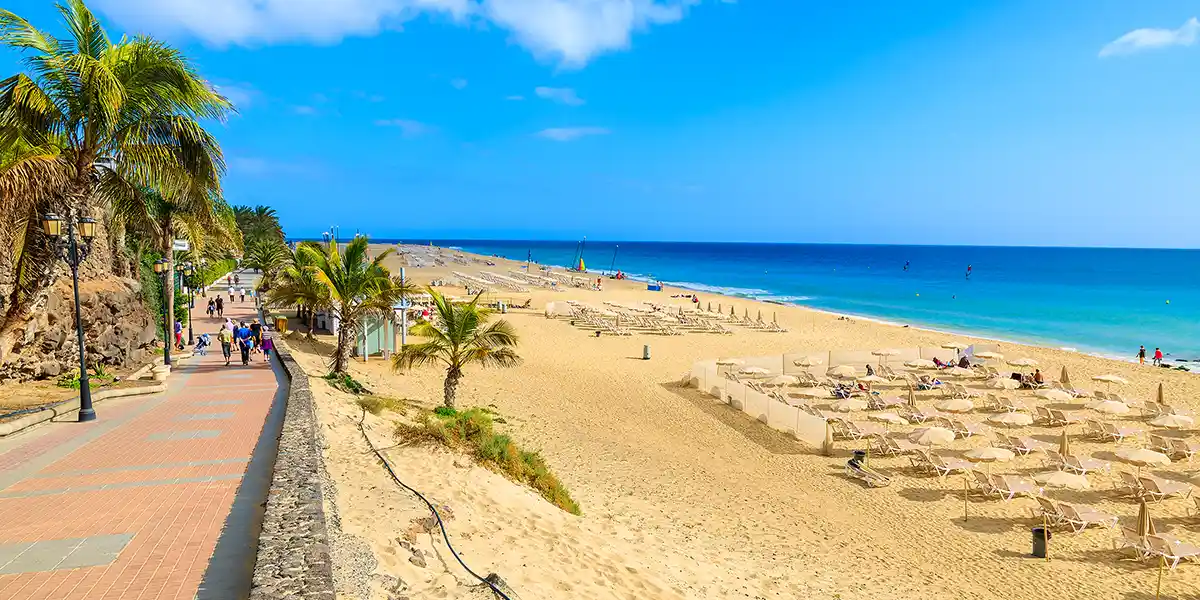
    To arrive in Fuerteventura is to encounter a landscape defined by its horizontal vastness and a profound sense of openness. For the British traveller, arriving from the dense, vertical urbanism of the UK, the “Old Island” of the Canaries offers a dramatic shift in perspective. Its geography characterized by ancient, rolling volcanic hills and over 150 kilometres of white and golden sand doesn’t just provide a backdrop; it dictates the very rhythm of your journey. In Fuerteventura, the wind and the horizon are the primary navigators, turning every road trip into an exercise in geological discovery.

    Many visitors begin their Saharan-influenced escape by searching for cheap holidays to Fuerteventura to experience the island’s legendary beaches and reliable sunshine. While the convenience of all inclusive holidays provides a perfect, stress-free anchor, the true essence of Fuerteventura is found in the movement between its north and south extremes. Choosing a coastal base satisfies the need for Atlantic breezes and relaxation, but the most rewarding moments occur when you head inland toward the “Malpaís” (badlands) or the silent, ochre-coloured mountains of the Betancuria Massif.

    The secret to uncovering the island’s most evocative routes lies in a logistical approach that respects the varied terrain. All inclusive holidays. For those who want their journey from the shifting dunes of Corralejo to the wild, windswept beaches of Jandia handled with expert care, booking through Travelodeal ensures a seamless experience with professional logistical support. As the landscape shifts from volcanic plains to emerald-green valleys, the “touristic” pressure of the schedule begins to lift, replaced by a deep, resonant connection to a landscape that has been shaped by the elements for over 20 million years.

    The Northern Pulse: Dunes and Volcanoes

    The geography of the north is dominated by the Natural Park of Corralejo, a vast expanse of shifting sand dunes that spill directly into the turquoise Atlantic. Traveling through this area feels like navigating a mini-Sahara. The routes here are open and airy, leading toward the volcanic silhouette of Isla de Lobos. This is a landscape of light and movement, where the roads are often flanked by white sand on one side and the dark, craggy peaks of dormant volcanoes on the other, offering a striking study in textural contrast.

    The Central Backbone: The Betancuria Massif

    Heading inland toward the center of the island, the geography takes a dramatic turn. This is the oldest part of the Canary Islands, where the mountains have been softened and rounded by millions of years of erosion. The road to Betancuria the island’s ancient capital is one of the most scenic in the archipelago. Winding through deep ravines and past historic windmills, the route offers a sheltered, greener alternative to the coastal plains. It is a place of quiet dignity, where the “weight” of the geological history is palpable in every stone wall and terraced garden.

    The Southern Wild: Jandia and the Barlovento Coast

    The southern peninsula of Jandia is arguably the most dramatic geographical feature of the island. Separated from the rest of Fuerteventura by the “Istmo de la Pared” (the wall isthmus), it feels like a separate territory entirely. The Barlovento coast, on the western side of the peninsula, is a wild, untamed landscape of sheer cliffs and powerful Atlantic swells. Traveling here requires a slower, more deliberate pace, rewarding the unhurried explorer with views of the vast, untouched beach of Cofete, where the mountains drop vertically into the foam of the sea.

    The Ritual of the Goat and the Cheese

    Fuerteventura’s geography has also shaped its unique culinary identity. Because the arid interior is better suited to goats than cattle, the island has become world-famous for its Majorero cheese. Engaging in a local tasting at a farm in the centre of the island is the primary social and sensory ritual of the region. It is a reminder that the land is as productive as it is beautiful, and the best meals are the ones that celebrate the resilience of the local producers and the specific flavours of the volcanic soil.

    Reflection on the Canarian Horizon

    Fuerteventura serves as a reminder that the best travel experiences are the ones that offer a sense of space. It is a landscape that teaches you to appreciate the nuance in the wind and the value of a distant horizon. By the time you reach the end of your stay, you realize that the island hasn’t just shown you its beaches; it has offered you a new way to appreciate the raw, unadorned beauty of the earth. The horizon remains wide and inviting, promising that whenever you seek a sanctuary of light and stone, the old and beautiful soul of the Canaries is waiting to welcome you back.

  • Beyond the Postcards: The Authentic Side of Greece

    Beyond the Postcards: The Authentic Side of Greece


    To arrive in Greece in 2026 is to encounter a geography that remains the primary navigator for the Mediterranean soul. For the traveler, the pursuit of “Authentic Greece” is a ritual of looking past the shimmering, high-speed ferries and the iconic blue-domed postcards of Santorini to find the restorative stillness of the mainland heart and the lesser-known archipelagos. In 2026, the nation has matured into a sanctuary for “Slow Travel,” proving that the most resonant version of the Hellenic world is found in the unhurried movement of a village piazza or the prehistoric silence of a Mani stone tower.

    Many travelers begin their journey by searching for holidays to Greece to secure a gateway to the legendary hospitality of Athens or the white-washed labyrinths of the Cyclades. While the convenience of all inclusive holidays provides a seamless and restorative base – offering the “liquid” ease of pre-arranged meals and transfers the real reward of a 2026 itinerary is the discovery of the “Hidden Horizon.” Choosing to linger in the rugged Peloponnese or the marble-carved villages of Tinos satisfies the desire for cultural immersion, ensuring that every transition from a modern resort to a family-run taverna is felt as a meaningful discovery, reminding the traveler that Greece is a land of layers where the ancient and the modern coexist in a constant, sun-drenched dialogue.

    From the precision of Athens’ high-tech metro to the rugged stillness of a Mani sunset, well-crafted holidays to Greece must account for the country’s decentralized geography, ensuring each transition feels deliberate rather than rushed. Coordinating city departures with remote coastal arrivals becomes far more seamless with the understated support of Travelodeal, allowing the usual pressures of planning to recede into the background. As structure gives way to atmosphere, travellers can settle into the cadence of village piazzas and unhurried evenings, discovering that Greece feels most authentic when local tradition not the itinerary  sets the pace.

    The Peloponnese: The Historical Heartland

    The Peloponnese remains the primary navigator for those seeking the “unspoiled” Greece. In 2026, the region of Mani serves as a masterclass in architectural resilience, with its distinctive stone tower houses and rugged coastline. The essential ritual here is the late-afternoon walk through the silent streets of Vathia or a boat trip into the subterranean Diros Caves. This “liquid” movement through history offers a visceral look at a Greece that feels prehistoric and powerful, providing a sensory bridge that teaches the traveler to value the “eternal” away from the cruise ship crowds.

    The Quiet Cyclades: Tinos and Serifos

    In contrast to their glitzy neighbors, the islands of Tinos and Serifos offer a more contemplative and artisanal perspective. In 2026, Tinos has become a sanctuary for those who appreciate the “Architecture of the Everyday” from its hundreds of ornate dovecotes to the marble-carved village of Pyrgos. The primary ritual is a long, unhurried lunch at a village kafeneio, where the flavors of local sun-dried tomatoes and louza ham provide a sensory link to the island’s agricultural heart. This is a landscape of “reflected light,” where the lack of an airport keeps the tempo grounded and authentic.

    The Culinary Ritual: The “Meze” Bridge

    Regardless of the region, the ritual of the shared table remains the essential Greek experience. In 2026, the focus has shifted toward “Regional Specialization” seeking out dakos in a Cretan mountain village or bougatsa in the bustling markets of Thessaloniki. Engaging in this culinary dialogue is the primary social bridge, providing a sensory link to the local producers who define the specific flavors of the nation. It is a moment of shared joy that connects the traveler to the warm heart of Greece, proving that the best way to understand the culture is to share a plate and a glass of local wine by the sea.

    Reflection on the Hellenic Horizon

    Exploring the authentic side of Greece serves as a reminder that the best travel experiences offer a sense of perspective. It is a landscape that teaches you to appreciate the glimmer of the turquoise water and the weight of the ancient stone in equal measure. By the time you reach the final sunset of your stay, looking out over a horizon undisturbed by neon lights, you realize that Greece hasn’t just shown you its future; it has shared its soul. The horizon remains wide and inviting, promising that whenever you seek a sanctuary of light and tradition, the warm heart of the world is waiting to welcome you back.

  • Living and Working While Traveling the World

    Living and Working While Traveling the World

    Living and working while traveling the world has become an increasingly popular lifestyle choice for many individuals seeking freedom, adventure, and personal growth. The rise of digital technology and remote work opportunities has made it possible to maintain a career while exploring new cultures, landscapes, and experiences. This way of life offers a unique blend of professional fulfillment and personal enrichment that traditional office jobs often cannot provide.

    One of the most appealing aspects of living and working on the road is the ability to break free from geographical constraints. Remote work allows people to choose their environment based on preference rather than necessity. Whether it’s a bustling city in Europe, a tranquil beach in Southeast Asia, or a mountain village in South America, workers can tailor their surroundings to suit their mood or needs at any given time. This flexibility often leads to increased creativity and productivity because individuals are more inspired by diverse settings.

    However, balancing work responsibilities with Digital nomad travel requires discipline and effective time management skills. Without the structure of an office environment, it can be challenging to stay focused amidst new distractions such as sightseeing or socializing with locals and fellow travelers. Establishing routines-such as dedicated work hours-and utilizing productivity tools like task managers or communication platforms help maintain professionalism despite changing locations.

    Connectivity also plays a crucial role in this lifestyle. Reliable internet access is essential for participating in virtual meetings, submitting assignments, or collaborating with teams across different time zones. Many digital nomads plan their itineraries around places known for good Wi-Fi infrastructure or co-working spaces designed specifically for remote professionals. Additionally, having backup solutions like portable hotspots ensures continuous connectivity during unexpected outages.

    Financial planning is another important consideration when combining travel with work life. While some destinations offer lower costs of living compared to home countries-which can stretch budgets further-others may be more expensive due to tourism demand or limited resources. Budgeting carefully helps avoid financial stress that could interfere with both travel enjoyment and job performance.

    Moreover, embracing local cultures enriches the experience beyond mere sightseeing; it fosters deeper understanding and meaningful connections worldwide. Learning languages, trying regional cuisines, respecting customs-all contribute to personal development that enhances one’s worldview.

    In conclusion, living and working while traveling presents both exciting opportunities and challenges but ultimately rewards those who pursue it with unparalleled freedom and growth potential. It demands adaptability but promises enriching experiences that blend career ambitions with global exploration seamlessly into everyday life.