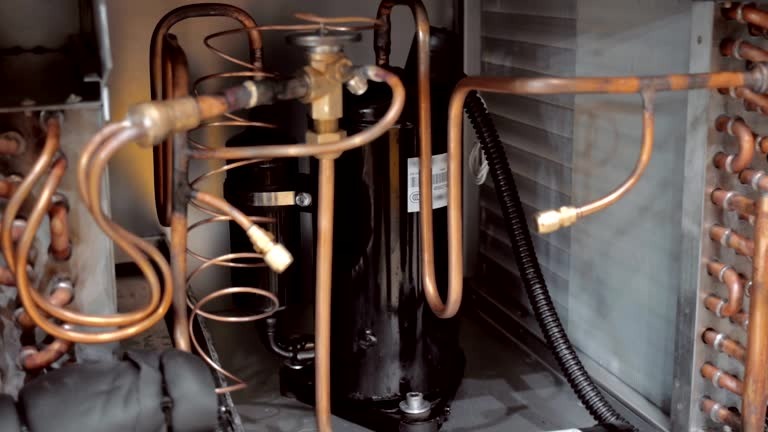
An air conditioning (AC) compressor is a pivotal component in any cooling system, responsible for circulating refrigerant and maintaining the pressure necessary for heat exchange. When it malfunctions, the entire AC system can suffer. Understanding the causes of compressor failure and how to diagnose these issues is essential for ensuring efficient repair and maintenance.
One common cause of AC compressor failure is insufficient lubrication. Compressors require oil to function smoothly; without adequate lubrication, friction increases, leading to overheating and eventual breakdown. This issue often arises from improper maintenance or using incorrect refrigerant types that fail to carry oil effectively through the system.
Another frequent culprit is electrical problems. Faulty wiring or damaged fuses can disrupt get the latest updates compressor, causing intermittent operation or complete shutdowns. Electrical failures may also stem from wear and tear on components such as capacitors or relays, which are crucial for starting and running the compressor efficiently.
Contaminants within the AC system can also lead to compressor damage. Dirt, debris, or moisture entering through leaks in seals or hoses can compromise internal components over time. These contaminants may cause blockages or corrosion inside the unit, hindering its performance and potentially leading to mechanical failure.
Overheating due to excessive use or high ambient temperatures poses another risk factor for compressors. Operating an AC unit continuously without adequate breaks can strain its components beyond their limits. Additionally, if an outdoor condenser coil becomes dirty or obstructed by debris like leaves or grass clippings during summer months when demand peaks significantly higher than average usage levels seen throughout other seasons – this too could result in overheating conditions that affect overall efficiency negatively impacting longevity expectations placed upon these systems initially designed with certain tolerances built-in regarding thermal management capabilities inherent therein!
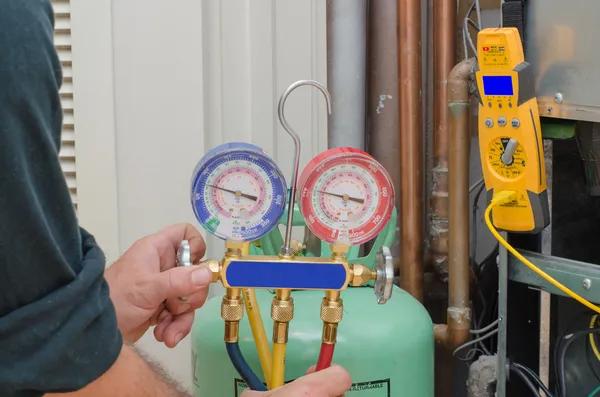
Diagnosing a faulty AC compressor involves several steps aimed at identifying specific issues accurately before proceeding with repairs accordingly based upon findings obtained via diagnostic testing procedures employed therein! Initial inspections typically involve checking visible signs such as leaks around fittings/connections where fluids might escape unnoticed otherwise unless closely monitored regularly scheduled intervals prescribed manufacturer guidelines outlined detailed service manuals accompanying each model sold commercially available marketplaces worldwide today!