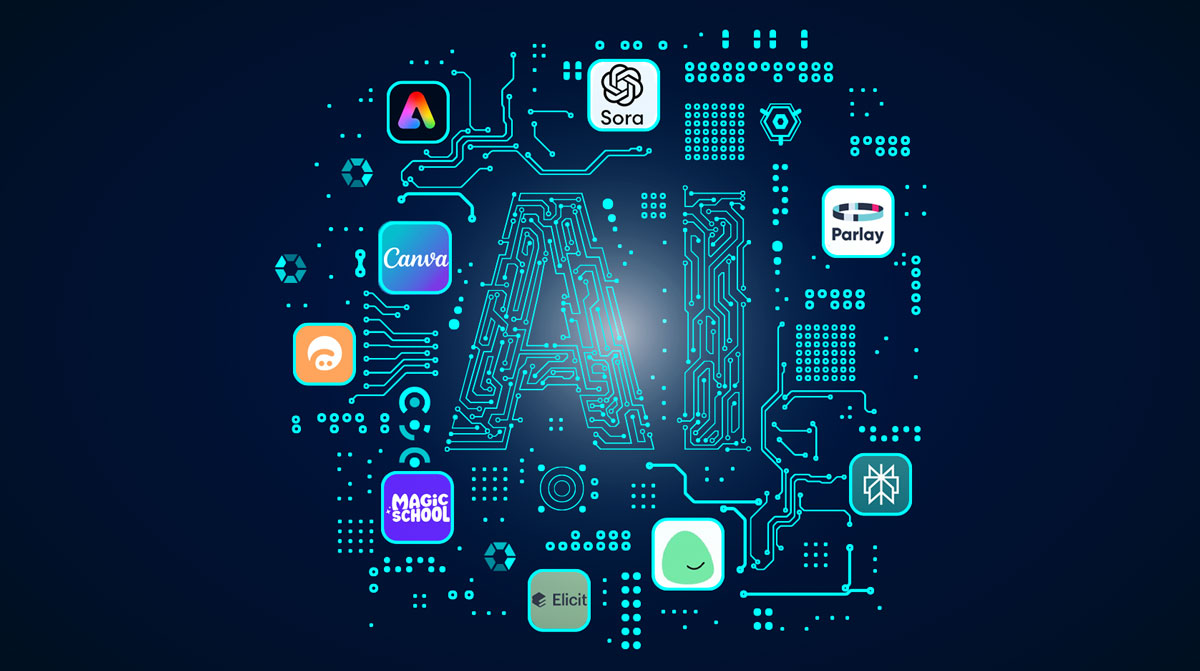
In the rapidly evolving landscape of technology, intelligent workflow systems have emerged as a transformative force within various industries. By 2026, these systems are expected to be even more sophisticated, powered by cutting-edge AI tools that enhance efficiency and productivity like never before. The integration of artificial intelligence into workflow management is not merely an incremental improvement but a paradigm shift that redefines how organizations operate.
Intelligent workflow systems utilize advanced AI algorithms to automate complex processes, streamline operations, and facilitate decision-making. These systems leverage machine learning models to analyze vast amounts of data in real-time, identifying patterns and insights that would be impossible for humans to discern at the same speed or accuracy. As a result, businesses can anticipate market trends better, optimize resource allocation, and improve customer experiences.
One of the significant advantages of Best AI tools 2026-powered workflows is their ability to adapt and learn continuously. Unlike traditional static workflows that require manual updates whenever changes occur in business processes or objectives, intelligent systems dynamically adjust based on new inputs and outcomes. This adaptability ensures that organizations remain agile in the face of changing market conditions or internal transformations.
By 2026, we expect these systems to incorporate more advanced natural language processing (NLP) capabilities. NLP allows machines to understand human language with greater nuance and context than ever before. In practical terms, this means employees can interact with workflow systems using conversational interfaces—asking questions or giving instructions as they would with a colleague—and receive immediate responses tailored to their needs.
Moreover, AI-driven predictive analytics will play a crucial role in shaping future intelligent workflows. Predictive models will enable businesses to foresee potential disruptions or opportunities within their operations well ahead of time. For instance, supply chain managers could predict delays due to unforeseen circumstances such as weather events or political instability months in advance; thus allowing them ample time for contingency planning.
The integration between Internet-of-Things (IoT) devices and intelligent workflows also promises exciting developments by 2026.